

Rail Unions press for fatigue rules after IndiGo crew crisis
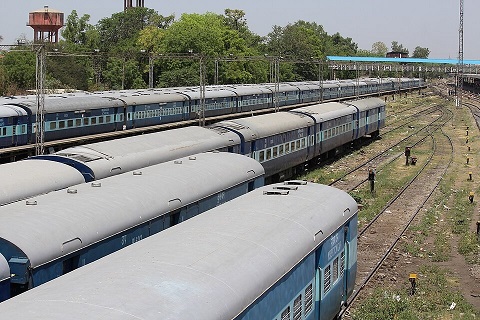
Transport safety concerns have intensified across India as loco-pilots renew demands for strict fatigue-management rules.
Their call follows IndiGo’s recent crew-scheduling crisis, which triggered massive flight cancellations and exposed the dangers of overstretched staff.
The All India Loco Running Staff Association (AILRSA) warned that the rail sector faces similar risks.
They argued that Indian Railways continues to rely on exhausting duty rosters that often violate permissible work limits.
Union leaders said these long hours ignore natural circadian rhythms and, therefore, threaten passenger safety.
AILRSA General Secretary K.C. James stressed that fatigue affects all transport workers.
He noted that the aviation crisis should alert railway authorities to their own vulnerabilities.
Moreover, he highlighted the close parallels between crew management in air and rail systems.
The union submitted a letter to the Railway Board seeking urgent action. They demanded a scientifically designed Fatigue Risk Management System (FRMS) for crew scheduling.
Their proposals included a six-hour daily work limit and a strict cap of two consecutive night duties.
They also sought a minimum rest period of 16 hours after each shift. Additionally, they called for weekly offs, daily rest aligned with circadian science, and transparent monitoring tools.
Union leaders also pressed for a recruitment drive to fill nearly 30% vacant posts.
They argued that staff shortages force the overuse of existing workers. They added that regulations must be statutory to ensure consistent enforcement.
AILRSA noted that earlier expert panels, including the 2012 Kakodkar Committee and the 2013 Tripathi Committee, had recommended scientific rostering.
Courts have also directed job-analysis studies. However, the Railway Board has not initiated these steps.
The union cited instances of “fake duty breaks” recorded only to mask real working hours that often stretch to 14-16 hours.
Although the Railways introduced a cap on consecutive night duties last November, the union believes deeper issues remain unresolved.
They urged the ministry to adopt fatigue-science principles and strengthen oversight.
They warned that the railways must act now to avoid a preventable tragedy, one that could cost lives and, eventually, significant losses in rupees.
Image Credit: Aditidutttyagi10, CC BY-SA 4.0, via Wikimedia Commons
You may also like


Image Reference: https://commons.wikimedia.org/wiki/File:Trains_at_railway_yard_in_India.jpg

Recent Posts
- Night Vision Problems? Protect Your Eyes Naturally with these tips
 A balanced diet, regular eye care and safer driving habits support healthy vision.
 - EPF Withdrawal Rules Simplified: Check Limits and Eligibility
 The simplified framework provides greater flexibility for accessing EPF savings.
 - CSIR-NCL Recruitment 2026: 24 MTS Vacancies
 CSIR-NCL will conduct a competitive written examination for provisionally eligible candidates.
WeRIndia – A News Aggregator

Visit werindia.com for all types of National | Business | World | Politics | Entertainment | Health related news and much more..