

Fines Begin, Cleanliness Drive Gets Tough in West Bengal
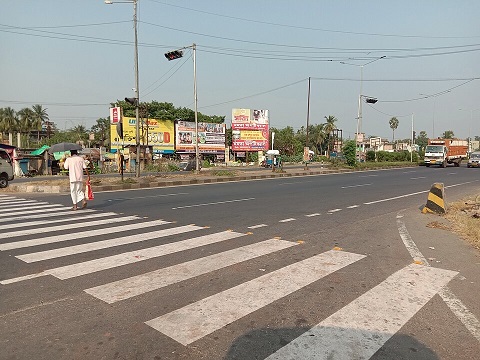
Keeping public spaces clean requires both responsible citizens and consistent civic action.
West Bengal has now stepped up enforcement against common forms of public nuisance.
The state has introduced fines for spitting, littering, public urination and certain plastic bags. People caught spitting in public will face a ₹100 penalty.
Dumping garbage or creating unhygienic conditions will attract a ₹200 fine. The same penalty applies to public defecation or urination. Carrying single-use plastic bags below 125 microns will also invite a ₹200 fine.
However, the government admits that stronger enforcement must go hand in hand with better civic facilities.
Urban Development and Municipal Affairs Minister Chandrima Bhattacharya said the fines are not intended to raise revenue. Instead, the focus remains on changing public behaviour.
She stressed that government action alone cannot keep cities clean. Therefore, citizens must develop a stronger sense of responsibility towards their neighbourhoods and cities.
Regular awareness efforts will also be needed rather than occasional campaigns.
The government is simultaneously expanding basic infrastructure. Dustbins are being installed at markets and railway stations.
Public toilets are also being planned at various locations. Meanwhile, households will be encouraged to separate waste into two categories before handing it to sanitation workers.
The state is also promoting alternatives to banned plastic bags. Vending machines will offer corn-based bags for ₹1 and cloth bags for ₹5 to ₹10. Authorities are helping markets access these alternatives, although statewide implementation will take time.
The latest penalties build on existing laws. Under amendments made in 2019, public spitting could already attract fines of up to ₹1,000. Kolkata also has provisions against illegal dumping, with penalties ranging from ₹50 to ₹5,000.
Yet enforcement has remained inconsistent despite these rules. The new drive will therefore test whether stricter monitoring, improved facilities and public cooperation can produce cleaner streets.
For commuters, everyday habits such as spitting from buses or throwing waste from vehicles may now carry a direct financial cost.
Image Credit: Billjones94, CC BY-SA 4.0, via Wikimedia Commons
You may also like





Recent Posts
- Model Chai Wali: Brewing Success, One Cup at a Time
 The ‘Model Chai Wali’ journey is about more than selling tea.
 - Kuruvapur: The Sacred Abode of Shripad Shrivallabha
 Kuruvapur attracts seekers who wish to deepen their devotion and experience spiritual tranquillity.
 - Opposition Plans Supreme Court March Over ‘Vote Chori’ Row
 Earlier, leaders of several INDIA bloc parties had marched from Parliament to Vijay Chowk.
WeRIndia – A News Aggregator

Visit werindia.com for all types of National | Business | World | Politics | Entertainment | Health related news and much more..
Leave a Reply