

Diesel sales cap aims to curb misuse and protect fuel supply
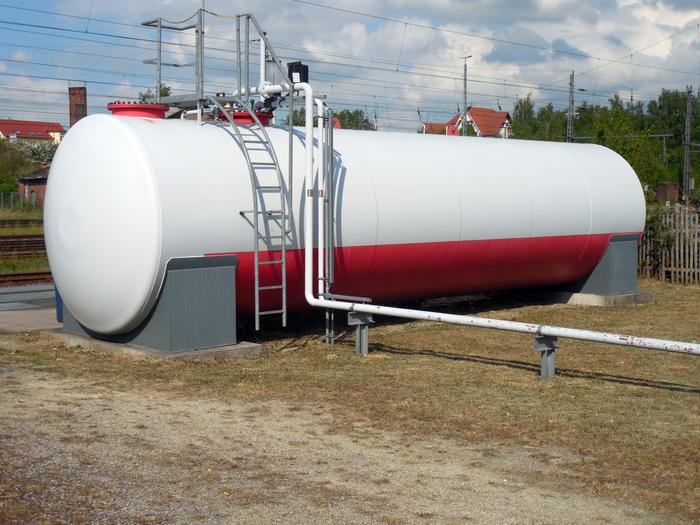
Governments often step in when market distortions threaten essential supplies and economic stability.
In a recent move, the Government of India has imposed temporary restrictions on diesel sales to prevent misuse and safeguard public-sector oil companies from mounting losses.
On June 11, 2026, the Ministry of Petroleum and Natural Gas issued the Motor Spirit and High-Speed Diesel (Temporary Regulation of Supply through Retail Outlets) Order under the Essential Commodities Act.
The order restricts industrial, commercial and institutional consumers from purchasing petrol and diesel through retail fuel stations.
Under the new rules, retail fuel outlets can dispense diesel only into vehicle fuel tanks or containers approved by the Petroleum and Explosives Safety Organisation (PESO).
In addition, a customer or vehicle cannot purchase more than 200 litres of diesel in a single day. The government has also prohibited the resale of diesel bought from retail outlets.
The regulation will remain in force for a maximum period of three months. Authorities introduced the measure after noticing an unusual rise in diesel sales at public-sector fuel stations across the country.
Government data showed that more than 327 districts recorded diesel sales growth exceeding 10 per cent last month. Meanwhile, over 80 districts reported increases of more than 30 per cent.
A major reason behind this surge was the widening gap between retail and bulk diesel prices. Diesel at retail pumps was available for about ₹95.20 per litre, while bulk consumers had to pay nearly ₹134.50 per litre.
Consequently, several bulk buyers reportedly shifted to retail outlets to purchase cheaper fuel.
In some cases, authorities suspected that diesel bought at retail rates was being resold at higher bulk prices, creating an unfair market advantage and increasing losses for oil marketing companies.
The government’s decision also comes against the backdrop of uncertainty in global energy markets.
Tensions in West Asia disrupted oil supplies and shipping routes, particularly through the Strait of Hormuz.
During the early phase of the US-Iran conflict, Brent crude prices briefly surged to around $120 per barrel before easing below $86 amid hopes of diplomatic progress.
Despite global volatility, India has maintained adequate fuel supplies and strategic reserves.
The temporary diesel sales cap is intended to ensure fair distribution, prevent profiteering and support energy security during a period of market uncertainty.
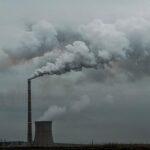
Image from Pxhere (Free for commercial use / CC0 Public Domain)
Image Published on February 27, 2017
You may also like

Image Reference: https://pxhere.com/en/photo/876953
Recent Posts
- Smog-Eating Roads: A New Approach to Tackling Air Pollution
 Photocatalytic coatings are a potential supplementary measure, not a complete solution to urban air pollution.
 - Nagastra-1R: India Boosts Precision Strike Power
 Nagastra-1R carries a one-kilogram high-explosive fragmentation warhead designed for soft-skinned targets.
 - Forest Worker Saves Elephants from Train CollisionA major railway accident was narrowly avoided in West Bengal after forest worker Akash Kerketta alerted authorities to a herd of elephants on the Bagdogra-Naxalbari railway line. His swift action helped move the elephants to safety before the approaching Sikkim Mahananda Express could collide with them.
WeRIndia – A News Aggregator

Visit werindia.com for all types of National | Business | World | Politics | Entertainment | Health related news and much more..