

Cancer drug prices set for major cut as NPPA caps trade margins
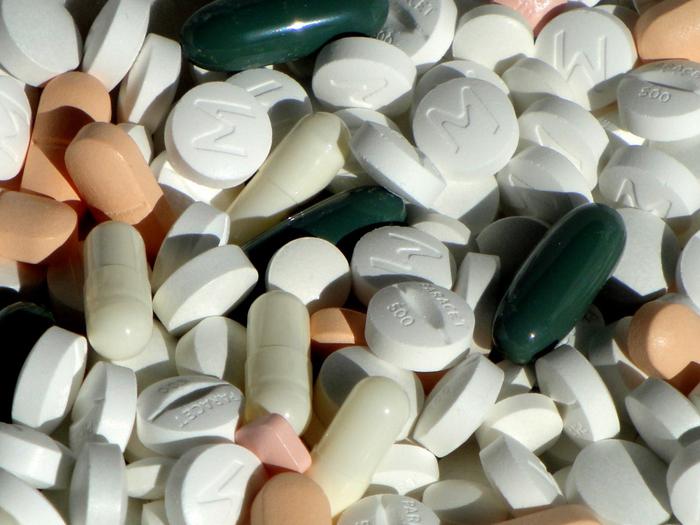
Affordable access to cancer treatment remains a major concern for patients and their families in India.
In a significant step towards easing this burden, the National Pharmaceutical Pricing Authority (NPPA) has capped trade margins at 30% for 137 non-scheduled anti-cancer formulations.
The revised prices will take effect from November 9, potentially reducing retail costs by up to 70%, depending on existing price structures.
The NPPA operates under the Department of Pharmaceuticals and has introduced the measure through the Trade Margin Rationalisation (TMR) mechanism.
The decision follows a gazette notification issued under Paragraph 19 of the Drugs (Prices Control) Order, 2013.
An expert committee constituted under the Directorate General of Health Services recommended the move.
The panel includes leading oncologists, medical specialists, hospital experts and government officials. Moreover, the committee may update the list periodically to cover additional medicines as required.
The latest decision builds on the government’s earlier efforts to control cancer drug prices. In 2019, the NPPA introduced a similar initiative covering 42 anti-cancer medicines.
That intervention reportedly reduced maximum retail prices by up to 90% across 526 brands. Now, the expanded framework aims to extend the benefits to a much wider range of cancer treatments.
Under the new rules, pharmaceutical companies must publish revised price lists on their official websites. They must also circulate the updated rates among retailers and hospitals.
From November 9, pharmacies and hospitals must charge patients according to the revised prices and display them prominently.
Hospitals must additionally publish the new rates on their websites, given their significant role in procuring oncology medicines.
Meanwhile, patients can check updated prices through the NPPA website and the Pharma Sahi Daam mobile application.
State drug controllers have also received directions to monitor compliance among manufacturers, distributors, retailers and medical institutions.
The regulator has clarified that the initiative targets excessive margins across distribution and retail channels. However, it aims to protect legitimate manufacturing revenues and prevent artificial shortages.
The move could offer meaningful financial relief to cancer patients, particularly those requiring prolonged treatment.
Effective monitoring and consistent implementation will determine how much of the potential savings reaches patients at the pharmacy counter.
Image from Pxhere (Free for commercial use / CC0 Public Domain)
Image published on February 11, 2017
You may also like



Image Reference: https://pxhere.com/en/photo/678861
Recent Posts
- FSSAI Tightens Food Safety Rules for Perishable Items
 Indian Railways and its regional directors have also been directed to ensure vigilance.
- Cancer drug prices set for major cut as NPPA caps trade margins
 The move could offer meaningful financial relief to cancer patients, particularly those requiring prolonged treatment.
- Sudarsan Pattnaik creates Unique 10-Foot Maa Durga installationCelebrating the spirit of Durga Puja through creativity, renowned sand artist and Padma Shri awardee Sudarsan Pattnaik has created a stunning 10-foot installation of Maa Durga at Puri Sea Beach. Crafted in just five hours using 8 tonnes of sand, 22 varieties of vegetables and 10 types of fruits, the artwork conveys his heartfelt festive wishes and showcases the beauty of artistic innovation.
WeRIndia – A News Aggregator

Visit werindia.com for all types of National | Business | World | Politics | Entertainment | Health related news and much more..
Leave a Reply