

Cancer Drug Prices Remain Unchanged Despite Price Regulation
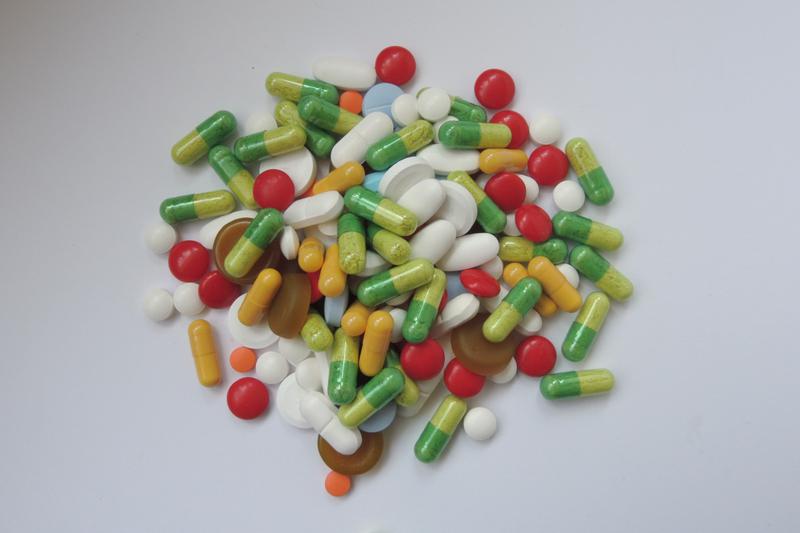
Affordable cancer treatment remains a major challenge for patients in India, with expensive medicines adding to the financial pressure of prolonged treatment.
The latest price revision by the National Pharmaceutical Pricing Authority (NPPA) offers little relief, as several costly anti-cancer medicines continue to carry the same price tags.
The revised maximum retail price (MRP) list, effective November 9, 2026, shows no reduction in the prices of major chemotherapy and immunotherapy formulations.
Several patented medicines used for lung, breast and blood cancers also remain unaffected.
For instance, Alectinib 150 mg, marketed as Alecensa, continues to cost ₹4,30,696. Meanwhile, Pembrolizumab 100 mg, sold under the brand Keytruda, remains priced at ₹2,16,500.
Similarly, Osimertinib 80 mg, marketed as Tagrisso, retains its price of ₹1,38,830.83.
The cost of Pertuzumab and Trastuzumab 1200 mg, sold as Phesgo, also remains unchanged at ₹4,93,266.
These medicines play an important role in treating different cancers. However, patients often require multiple treatment cycles, increasing their overall medical expenses.
The unchanged prices have raised concerns about the effectiveness of existing pricing measures.
The latest data highlights the financial burden on patients and the limitations of trade margin regulation in making essential cancer medicines affordable.
Moreover, nearly 37 patented medicines, covering 65 formulations, continue to retain their existing MRPs despite the introduction of trade margin controls.
This suggests that regulating distribution margins alone may not ensure affordable access to life-saving treatments.
Therefore, stronger measures, including compulsory licensing and government use, are being considered important to encourage competition, improve medicine availability and reduce treatment costs for patients.
Meanwhile, the NPPA released its list covering 543 anti-cancer drug brands.
Earlier, on October 17, the authority identified 137 compounds under regulations capping trade margins at 30 per cent for non-scheduled formulations.
However, the unchanged prices highlight a wider concern. Regulating distribution margins may not be enough.
Patients also need stronger measures that make costly, life-saving cancer treatments more affordable.
Image from Pxhere (Free for commercial use / CC0 Public Domain)
Image published on February 03, 2017
You may also like


Image Reference: https://pxhere.com/en/photo/609715
Recent Posts
- RECPDCL recruitment 2026: 32 vacancies, salary up to ₹1.55 lakh
 RECPDCL will shortlist eligible applicants for a personal interview.
- Cancer Drug Prices Remain Unchanged Despite Price Regulation
 Meanwhile, the NPPA released its list covering 543 anti-cancer drug brands.
- Tickle Your Art: A Startup Turning Creativity into Inclusion
 Beyond selling products, Tickle Your Art provides training, mentorship and paid work.
WeRIndia – A News Aggregator

Visit werindia.com for all types of National | Business | World | Politics | Entertainment | Health related news and much more..
Leave a Reply