

Pelvic Floor Problems Women Face and Ways to Manage Them

Pelvic floor health can influence bladder control, bowel function, sexual comfort, pregnancy and everyday movement.
Yet symptoms are often overlooked or considered a normal part of ageing or motherhood.
Recognising these problems early can help women seek appropriate care and improve their quality of life.
The pelvic floor consists of muscles and connective tissues that support organs within the pelvis.
These muscles also work with the abdominal and back muscles to maintain stability. When they become weak, tight or poorly coordinated, several problems can develop.
Urinary Incontinence
Urinary incontinence causes involuntary urine leakage. It may happen during coughing, sneezing, laughing, exercising or lifting. Pregnancy, childbirth and menopause can increase the risk.
Solution: Pelvic floor exercises can strengthen the muscles responsible for bladder control. Bladder training may also improve control. Reducing caffeine and alcohol, maintaining a healthy weight and following appropriate fluid habits can further help.
Pelvic Pain
Pain in the pelvic region can make sitting, walking or exercising difficult. Muscle tension, nerve irritation and certain medical conditions may contribute to the problem.
Solution: Pelvic physical therapy can address tight or overactive muscles. Manual techniques, gentle stretching and relaxation exercises may reduce discomfort. Deep breathing can also help release pelvic muscle tension.
Pelvic Organ Prolapse
Prolapse occurs when weakened pelvic support allows the bladder, uterus or rectum to move downward. Women may experience pressure, heaviness or a bulging sensation.
Solution: Properly guided pelvic floor exercises can improve muscular support. A healthcare professional may recommend a pessary for additional support. Severe prolapse may require surgical treatment.
Painful Intercourse
Pain during sex can result from tight pelvic muscles, scar tissue or other underlying conditions. It may affect intimacy and emotional well-being.
Solution: Pelvic physical therapy can address muscle tightness and improve coordination. Relaxation techniques may reduce discomfort. Water-based lubricants can also minimise friction.
Pelvic Muscle Dysfunction
Pelvic muscles can become weak, overly tight or poorly coordinated. These changes may cause urinary, bowel or sexual difficulties.
Solution: Treatment should match the underlying problem. Strengthening exercises can help weak muscles, while relaxation techniques may benefit overly tight muscles. Biofeedback can improve awareness and coordination. Electrical stimulation may help selected patients.
Pregnancy-Related Pelvic Problems
Pregnancy increases pressure on pelvic structures and can change muscle function. Childbirth may further affect these tissues.
Solution: Prenatal pelvic physical therapy can prepare women for childbirth and address symptoms. Appropriate pelvic exercises can support muscle function. Postpartum rehabilitation can aid recovery and restore strength and coordination.
Persistent symptoms deserve professional attention. A qualified healthcare provider or pelvic health physiotherapist can assess the underlying cause and recommend an individualised treatment plan.
Image by Q000024 from Pxhere (Free for commercial use / CC0 Public Domain)
Image published on October 14, 2020
You may also like

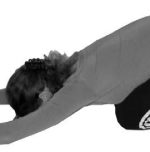


Image Reference: https://pxhere.com/en/photo/1629722
One Response to Pelvic Floor Problems Women Face and Ways to Manage Them
Leave a Reply
Recent Posts
- DGFT Hyderabad Recruitment 2026: Salary ₹60,000 Per Month
 The recruitment is for two Young Professional vacancies in Hyderabad, with a monthly remuneration of ₹60,000.
 - India’s Car Safety Rules Get a Major Overhaul
 EDRs already operate in several major automotive markets.
 - HealthFab: Sustainable Period Care
 HealthFab was founded by Kiriti Acharjee, Saurav Chakraborty and Satyajit Chakraborty, all from Assam.
WeRIndia – A News Aggregator

Visit werindia.com for all types of National | Business | World | Politics | Entertainment | Health related news and much more..
This is a very informative article about pelvic floor problems in women. I especially appreciate how it explains that symptoms such as urinary leakage, pelvic pain, and pelvic muscle dysfunction should not simply be considered a normal part of aging or motherhood. Identifying the underlying cause is important because treatment can vary depending on whether the pelvic muscles are weak, tight, or poorly coordinated. Encouraging women to seek professional evaluation for persistent symptoms is also a helpful reminder.