

Brain Exercises That May Support Stroke Recovery
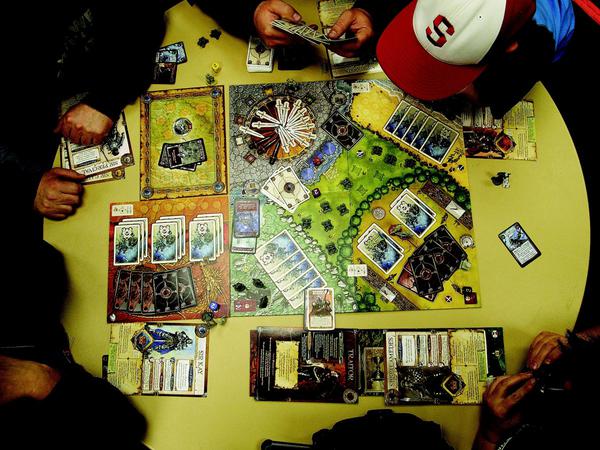
Recovering from a stroke can involve rebuilding skills related to memory, thinking, reasoning and concentration.
Alongside rehabilitation therapies, mentally stimulating activities may support this process.
A stroke can damage brain cells by interrupting blood flow. As a result, some survivors may experience changes in memory, communication, movement, awareness or reasoning.
Recovery varies from person to person, but progress can continue for months or even years.
Here are a few activities that can challenge the brain during recovery:
Board games
Games such as Connect 4, Battleship and Qwirkle can engage memory, concentration, reasoning and organisation. Playing with others can also provide valuable social interaction.
Memory games
Games that require players to remember and repeat sequences can exercise attention and memory. Some also involve physical responses, which may help people working on motor skills.
Strategy games
Games such as Catan, Ticket to Ride, mahjongg and Yahtzee require planning and decision-making. They can provide mental challenges while making recovery more engaging.
Art and crafts
Drawing, colouring, painting and crafting involve concentration and hand-eye coordination. Handling art materials can also provide opportunities to practise hand movements.
Learning a new hobby
Starting a new activity can challenge memory and communication skills. Gardening, scrapbooking, bird watching or learning sign language are possible options.
Sequence activities
Simple household tasks can become brain exercises. Try arranging objects by size or colour, alphabetising words or organising books.
Counting money
Sorting coins and calculating totals can engage short-term memory and mathematical reasoning. It can also provide a practical mental exercise.
Card matching
Matching pairs of cards or tiles requires concentration and memory. The difficulty can be increased gradually as skills improve.
Brain teasers
Crosswords, Sudoku and word searches can challenge reasoning and analytical abilities. Starting with easier puzzles can make the activity more manageable.
Visual processing games
Spot-the-difference activities require people to compare images and identify small changes. They can challenge concentration and visual processing.
Other Ways to Support Recovery
Brain exercises are only one part of stroke rehabilitation. Physical and occupational therapy can address movement and everyday activities.
A heart-healthy diet, regular physical activity and limiting alcohol can also support overall health.
Recovery is often fastest during the first few months, although improvements can continue much longer.
Since abilities differ widely after a stroke, exercises should be chosen according to the person’s needs and rehabilitation plan.
Image from Pxhere (Free for commercial use / CC0 Public Domain)
Image published on January 18, 2017
You may also like


Image Reference: https://pxhere.com/en/photo/454941
Recent Posts
- SBI SCO Recruitment 2026 for Wealth Management posts
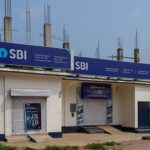 Candidates must register and pay the application fee online through the SBI recruitment portal.
 - India Calls for End to Black Sea Attacks on Indian Seafarers
 Kyiv has indicated support for a combined ceasefire covering energy infrastructure and the Black Sea.
 - Dhurandhar Revolving ThaliExperience the grand Dhurandhar Revolving Thali at Angithi Tadka by Madaan, priced at ₹1,699. A lavish spread designed for a hearty, indulgent dining experience in Delhi.
WeRIndia – A News Aggregator

Visit werindia.com for all types of National | Business | World | Politics | Entertainment | Health related news and much more..
Leave a Reply