

What happens to credit card debt after death in India?
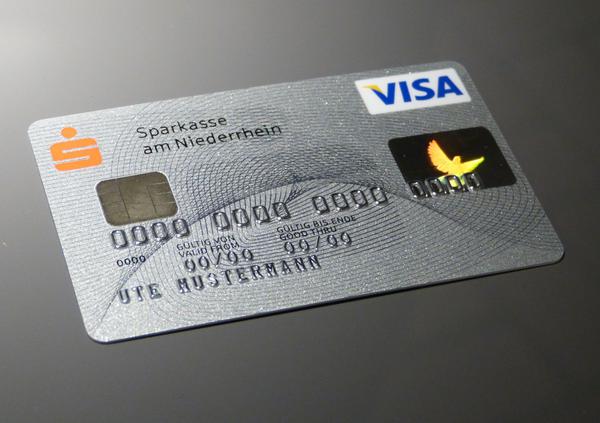
Credit cards are a part of everyday life, used for shopping, travel, and emergencies.
However, very few people consider what happens to unpaid credit card dues when a cardholder passes away.
During such times, families already deal with grief, paperwork, and constant communication with banks.
Out of fear or confusion, some even repay credit card bills without knowing whether they are legally required to do so.
Credit card debt does not automatically end with the death of the cardholder. Banks still have the right to recover their dues.
However, this does not mean the family becomes responsible by default. In India, credit card debt is treated as a personal liability.
If the card was only in the deceased person’s name, the debt does not transfer to the spouse, children, or parents.
Banks cannot recover unpaid dues from your salary, savings, or personal bank accounts if you never signed up for the credit card.
Their claim is limited only to the assets left behind by the cardholder. This is known as the estate, which may include bank balances, fixed deposits, investments, or property.
If the estate is insufficient or does not exist, the bank cannot demand the remaining amount from family members.
Most credit cards are unsecured, meaning no asset was pledged as security. A key distinction exists between joint cardholders and add-on card users.
A joint cardholder may remain liable for repayment even after the other holder’s death. However, an add-on card user is not legally responsible. The add-on card becomes invalid once the primary cardholder dies.
In the case of secured credit cards issued against a fixed deposit, the bank simply adjusts the outstanding dues from that deposit. Family members are not required to pay anything from their own funds.
Indian law clearly states that legal heirs are responsible for debts only up to the value of what they inherit.
RBI guidelines also restrict banks and recovery agents from harassing or pressuring families. Demands to pay unsecured credit card dues from personal money are not legally valid.
The same principles usually apply to unsecured personal loans. Unless you are a co-borrower or guarantor, you are not liable.
Informing the bank promptly and submitting the death certificate helps prevent complications.
Understanding these rules brings clarity during difficult times. In most cases, unpaid credit card debt is not a family burden.
Knowing your rights helps you deal with banks calmly and confidently when it matters most.
Image from Pxhere (Free for commercial use / CC0 Public Domain)
Image Published on March 06, 2017
You may also like




Image Reference:
https://pxhere.com/en/photo/1000266
Recent Posts
- WeVOIS: Making Waste Management Smarter
 WeVOIS digitally maps properties and uses RFID tags to track collections.
 - UPI MDR vs Card Charges: What Merchants Will Pay
 The new MDR applies to merchants accepting eligible high-value UPI payments.
 - Indowud NFC: Waste to Wood
 Indowud has further demonstrated the material’s potential through real-world projects.
WeRIndia – A News Aggregator

Visit werindia.com for all types of National | Business | World | Politics | Entertainment | Health related news and much more..