

Bank Locker Rules You Should Know
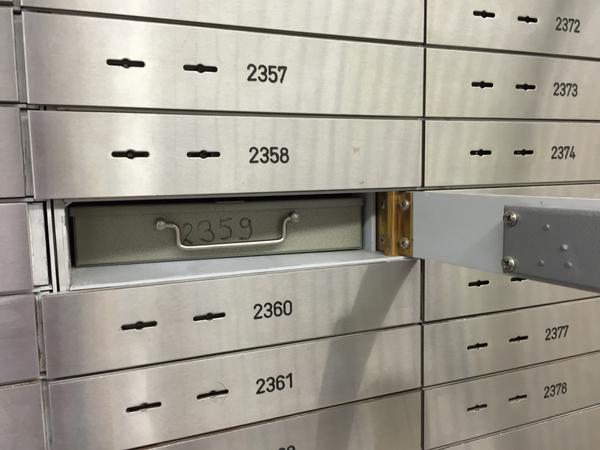
A bank locker is among the safer options for storing gold, jewellery, property papers and other valuables.
Under the Reserve Bank of India’s locker rules, banks must take reasonable care to ensure the safety and security of locker facilities.
They are required to maintain suitable security systems, access controls and other safeguards.
These measures aim to reduce risks such as theft, burglary, fire and other incidents affecting customers’ lockers.
Banks must maintain secure locker rooms with proper access controls to protect customers and their belongings. They must also install CCTV surveillance around locker areas.
Under the prescribed guidelines, banks are generally required to preserve CCTV recordings for 180 days, helping investigate security incidents, thefts, or unauthorised access.
However, banks do not maintain an inventory of the items kept inside a locker. Customers are responsible for the contents stored there.
If theft, burglary, robbery, fire or fraud occurs because of the bank’s negligence or security failure, the bank’s liability is limited to 100 times the annual locker rent. For example, if the yearly rent is ₹4,000, the maximum liability would be ₹4 lakh.
Importantly, compensation is not automatic. The customer must establish that the loss resulted from the bank’s negligence or security lapse.
Banks also do not provide insurance for jewellery or other valuables stored inside lockers. Since the bank does not know or record the contents, customers should consider separate insurance if they want financial protection.
Customers can also nominate a person for their locker. After the locker holder’s death, the nominee or eligible legal heirs can claim access, subject to the required documentation and applicable procedures.
Therefore, a bank locker provides strong physical protection for gold, jewellery and important documents, but it does not guarantee complete financial security.
Customers should understand the bank’s limited liability, insurance restrictions and applicable rules.
For expensive valuables, separate insurance may provide additional financial protection against theft, fire or other unforeseen losses.
Image from Pxhere (Free for commercial use / CC0 Public Domain)
Image published on January 21, 2017
You may also like




Image Reference: https://pxhere.com/en/photo/492522
Recent Posts
- Fery Rides: Making Urban Travel Safer for Women
 Fery Rides also operates an all-electric fleet, bringing sustainability into its mobility model.
 - UPI MDR Rollout Deferred, Bringing Festive Relief
 Merchants can continue handling eligible payments without the immediate impact of the proposed MDR.
 - Smog-Eating Roads: A New Approach to Tackling Air Pollution
 Photocatalytic coatings are a potential supplementary measure, not a complete solution to urban air pollution.
WeRIndia – A News Aggregator

Visit werindia.com for all types of National | Business | World | Politics | Entertainment | Health related news and much more..