

Delhi’s EV policy 2.0: Incentives, bans & a push for cleaner mobility
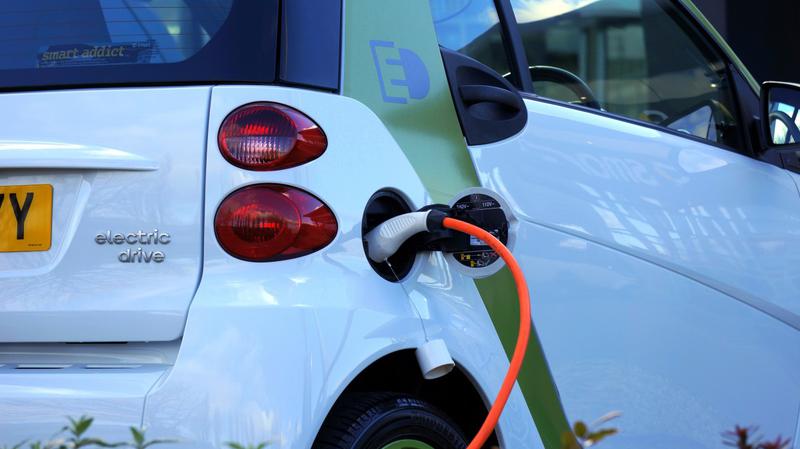
Delhi is taking another decisive step to fight air pollution with its draft Electric Vehicle Policy 2.0.
Under the new proposal, the Delhi government will offer a subsidy of up to ₹50,000 for the first 1,000 car owners who convert their petrol or diesel vehicles into electric ones.
This incentive is meant to encourage people to retrofit existing vehicles instead of scrapping them.
The policy, drafted by the Transport Department, aims to accelerate Delhi’s shift to clean mobility.
It focuses on reducing vehicular emissions, improving access to EVs, and lowering long-term pollution levels across the capital.
Earlier EV policies, first introduced in 2020, struggled with execution. Although the idea of retrofitting internal combustion engine vehicles existed, high costs remained a major barrier.
Electric kits and installation were expensive, discouraging large-scale adoption. As a result, the policy saw limited impact despite multiple extensions.
The new draft attempts to address this challenge directly through financial support. Apart from cars, the government proposes incentives of ₹35,000-₹40,000 for converting petrol two-wheelers into electric ones. This could significantly reduce costs for individual owners.
The policy also outlines a gradual phase-out of fossil fuel vehicles. From August 15, 2025, no new CNG auto-rickshaw registrations will be allowed. Existing permits may not be renewed and could be replaced with e-auto permits.
In addition, the draft proposes a ban on registering new petrol, diesel, and CNG two-wheelers from August 15, 2026. Households owning two cars may also be required to buy only EVs for any additional vehicles.
Public transport and government fleets form another major pillar. The policy targets full electrification of government and municipal vehicles by 2027. This includes waste collection vehicles and buses.
The Delhi Transport Corporation and other public agencies are expected to rapidly expand electric bus deployment. This move could significantly cut emissions from mass transport.
Charging infrastructure is also a priority. The draft plans thousands of new public charging points across the city to support rising EV numbers.
Officials say the proposal is still under consideration and awaits Cabinet approval. If implemented, EV Policy 2.0 could make retrofitting viable, reduce pollution, and reshape Delhi’s transport future.
Image from Pxhere (Free for commercial use / CC0 Public Domain)
Image Published on February 02, 2017
You may also like

Image Reference:
https://pxhere.com/en/photo/604185
Recent Posts
- Assam farmer’s notable journey, from ₹6 a day to an ₹80 lakh farm
 While many farmers in Upper Assam are turning to tea cultivation, Handique remains committed to farming.
 - Dussehra 2026: Date, Puja Muhurat, Rituals and Significance
 Vijay Muhurat is traditionally regarded as a favourable period for beginning important activities.
 - FSSAI Tightens Food Safety Rules for Perishable Items
 Indian Railways and its regional directors have also been directed to ensure vigilance.
WeRIndia – A News Aggregator

Visit werindia.com for all types of National | Business | World | Politics | Entertainment | Health related news and much more..