

Palm Oil vs Palmolein Oil: Differences, Benefits and Side Effects
Choosing the right cooking oil can be confusing, especially when several options come from the same source. Palm oil and palmolein oil are closely related, but their properties and common uses are different.
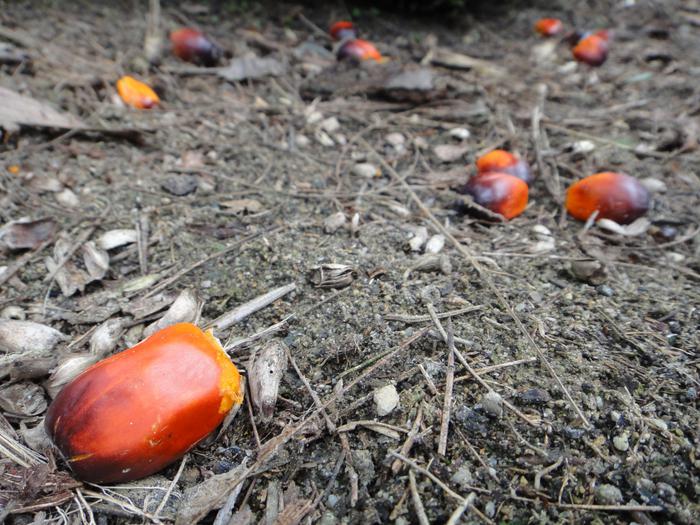
Palm oil is extracted from the fruit of the oil palm tree. It is naturally reddish or yellowish and can become semi-solid at room temperature. It is commonly used in baking, confectionery, processed foods and cooking. Its stability at higher temperatures also makes it suitable for frying.
Palmolein, on the other hand, is the liquid fraction obtained when palm oil is separated through a process called fractionation. It remains liquid at room temperature and has a relatively neutral taste. Therefore, it is widely used for everyday cooking, sautéing and deep-frying.
The two oils also differ in texture and appearance. Palm oil tends to be thicker and more solid, while palmolein is lighter and remains clear and liquid. However, both come from the same plant and contain saturated and unsaturated fats.
Palm oil has some nutritional benefits when consumed in moderation. It contains vitamin E compounds, including tocopherols and tocotrienols. It is also relatively stable during high-temperature cooking. Palmolein offers similar cooking advantages and works well for high-heat applications because of its stability.
However, moderation remains important with both oils. They contain considerable amounts of saturated fat. Consuming excessive quantities regularly may raise LDL cholesterol and could affect cardiovascular health. Palmolein should not be considered automatically healthier simply because it stays liquid.
Another concern involves repeatedly heating cooking oil. Reusing oil many times can cause chemical changes and reduce its quality. Therefore, fresh oil should be used whenever possible.
There are environmental concerns too. Unsustainable palm oil production can contribute to deforestation and habitat loss. Choosing responsibly sourced products can help reduce these impacts.
Neither palm oil nor palmolein is universally better. The better choice depends on cooking needs and overall diet. Using oils in moderation and including a variety of unsaturated-fat sources can support a more balanced approach to everyday cooking.
Image from Pxhere (Free for commercial use / CC0 Public Domain)
Image published on February 16, 2017
You may also like




Image Reference: https://pxhere.com/en/photo/725133
Recent Posts
- Fery Rides: Making Urban Travel Safer for Women
 Fery Rides also operates an all-electric fleet, bringing sustainability into its mobility model.
 - UPI MDR Rollout Deferred, Bringing Festive Relief
 Merchants can continue handling eligible payments without the immediate impact of the proposed MDR.
 - Smog-Eating Roads: A New Approach to Tackling Air Pollution
 Photocatalytic coatings are a potential supplementary measure, not a complete solution to urban air pollution.
WeRIndia – A News Aggregator

Visit werindia.com for all types of National | Business | World | Politics | Entertainment | Health related news and much more..
Leave a Reply