

Homemade protein powder: Easy ways to make your own supplement
Protein plays an important role in maintaining muscle strength, supporting recovery and keeping the body healthy.
While store-bought protein supplements remain popular, homemade alternatives offer a simple way to customise daily nutrition. They can also help reduce costs and accommodate specific dietary preferences.
Making protein powder at home requires a few basic kitchen tools. These include a high-speed blender, food processor, sieve, cheesecloth, baking tray and an airtight storage container. A food dehydrator can also help when preparing whey protein.
Making Whey Protein Powder at Home
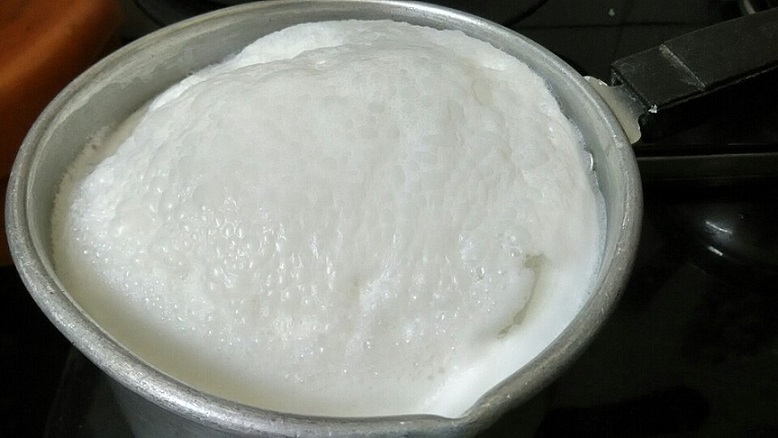
Whey protein comes from milk. To prepare it, heat milk and add lemon juice or vinegar.
This helps separate the solid curds from the liquid whey. Next, strain the mixture using cheesecloth or a fine mesh strainer.
The collected liquid contains whey proteins. However, turning it into powder requires additional processing.
A food dehydrator can remove moisture, although the process may take several hours. Once completely dried, blend the material into a fine powder.
Alternatively, homemade casein-based powder can be prepared using the separated milk curds.
Dry the curds thoroughly at a low temperature before grinding them into powder. Proper drying is essential to prevent moisture-related spoilage.
Preparing Plant-Based Protein Powder
For those following vegan diets, pea protein offers another option. Start with dried split peas and grind them using a powerful blender. Then, sift the mixture to remove larger particles.
Other plant-based ingredients include chia seeds, flaxseeds, sunflower seeds and hemp seeds. These can provide additional protein, fibre and healthy fats.
However, their nutritional composition varies, so check the protein content before using them as a primary supplement.
Add Flavour and Store Properly
Homemade protein powder usually has a neutral taste. You can improve its flavour with cocoa powder, vanilla or natural sweeteners.
Additionally, combining different ingredients allows greater control over taste and texture.
Storage requires particular attention. Keep the powder in a clean, airtight container in a cool, dry place. Homemade versions lack many commercial preservatives.
Therefore, check regularly for moisture, unusual smells or spoilage. Refrigeration or freezing may help extend storage life, depending on the ingredients.
Homemade protein powder offers flexibility and control over ingredients.
However, it may not provide the same protein concentration or nutritional balance as commercially processed supplements.
Check your dietary requirements and consult a qualified healthcare professional if you need personalised nutritional guidance.
Image Credit: Thamizhpparithi Maari, CC BY-SA 4.0, via Wikimedia Commons
You may also like




Image Reference: https://commons.wikimedia.org/wiki/File:%22Boiled_Milk%22.jpg

Recent Posts
- Homemade protein powder: Easy ways to make your own supplement
 Homemade protein powder offers flexibility and control over ingredients.
- Planning your first SIP? 7 Things Young Investors Must Know
 As income increases, investors can gradually raise their monthly contributions.
- BECIL Recruitment 2026: 23 Data Entry Operator Posts
 Candidates should carefully review the advertisement before applying.
WeRIndia – A News Aggregator

Visit werindia.com for all types of National | Business | World | Politics | Entertainment | Health related news and much more..
Leave a Reply