

Can stress affect your memory? Here’s what you should know
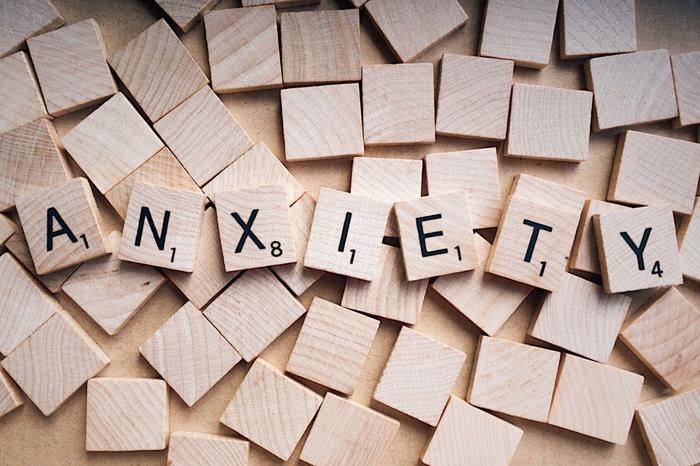
Modern life often brings constant pressure, but prolonged stress can affect much more than your mood.
When stress continues for weeks or months, it begins to impact both physical health and brain function.
During stressful situations, the body releases cortisol and adrenaline to improve focus and help you respond quickly. However, persistent stress keeps cortisol levels high for too long.
As a result, the brain struggles to function efficiently, especially in areas linked to memory and learning.
One of the most affected regions is the hippocampus, which plays a vital role in forming and storing memories.
Excess cortisol weakens nerve cells in this area and may slightly reduce its size over time. Consequently, remembering new information or recalling past events becomes more difficult.
Moreover, stress reduces attention span by keeping the brain focused on perceived threats.
Since attention is essential for creating memories, distractions caused by stress often lead to forgetfulness.
At the same time, working memory becomes overloaded, making it harder to process information, follow steps, or complete daily tasks without confusion.
Sleep also plays a significant role. Stress frequently disrupts sleep quality, preventing the brain from transferring short-term memories into long-term storage.
Therefore, people experiencing chronic stress often wake up feeling mentally tired and forget important details.
In addition, emotional stress strengthens emotional memories while weakening factual recall. Long-term stress may also increase inflammation in the brain, slowing communication between nerve cells. This further affects concentration, decision-making, and mental clarity.
Besides memory problems, prolonged stress can cause fatigue, headaches, poor immunity, digestive discomfort, anxiety, irritability, and reduced focus. Therefore, managing stress is essential for protecting overall health.
Fortunately, simple lifestyle changes can support better brain function. Maintain a regular sleep schedule and avoid screens before bedtime.
Exercise regularly through activities like walking or yoga, as physical movement improves mood and mental performance.
Furthermore, practise relaxation techniques such as deep breathing or journaling to interrupt stress cycles. Planning daily tasks and avoiding excessive multitasking also reduce mental overload.
Finally, stay connected with family and friends because emotional support helps lower stress levels.
If memory issues, anxiety, or sleep disturbances continue despite these efforts, consult a healthcare professional.
Persistent symptoms deserve proper evaluation to identify the underlying cause and receive appropriate treatment.
Image from Pxhere (Free for commercial use / CC0 Public Domain)
Image published on March 18, 2017
You may also like




Image Reference: https://pxhere.com/en/photo/1194334
Recent Posts
- YLEM: Turning Waste into Sustainable Design
 New Delhi-based design and research studio that transforms discarded materials into valuable, functional products.
 - Delhi’s Winter Pollution Plan
 Vehicles without valid Pollution Under Control certificates will not receive petrol, diesel, CNG or LPG at fuel stations.
 - FSSAI Plans Ban on Added Sugars in Baby FoodFSSAI plans to ban added fructose and sucrose in baby food for infants up to six months old. The proposal aims to safeguard infant nutrition and promote healthier feeding practices.
WeRIndia – A News Aggregator

Visit werindia.com for all types of National | Business | World | Politics | Entertainment | Health related news and much more..