

Postal Life Insurance: A Simple Guide to PLI Policies
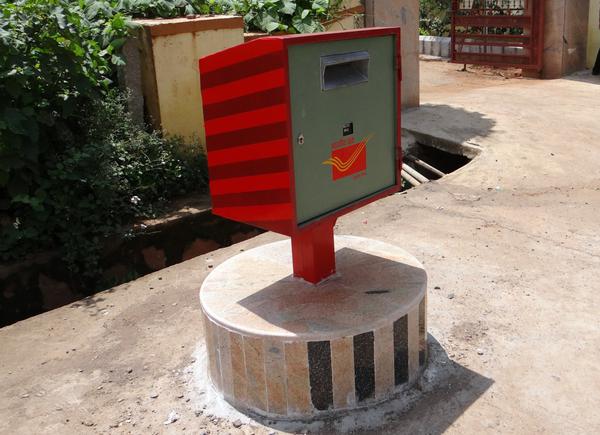
Financial planning becomes stronger when it protects both present needs and future responsibilities. Life insurance can help families manage financial uncertainty.
Postal Life Insurance (PLI) is one such option available through the Department of Posts, Government of India.
Introduced in 1884, PLI initially covered postal employees. Today, eligibility extends to several government and public-sector groups.
These include central and state government employees, public sector undertakings, nationalised banks, and government-aided educational institutions.
PLI provides a maximum sum assured of ₹50 lakh. It also offers tax benefits under applicable income-tax provisions.
Moreover, policyholders can save on premiums through advance payments. A six-month advance payment offers a 1% discount. A 12-month advance payment provides a 2% discount.
Policyholders can nominate beneficiaries and change nominations when required. They may also access loans against eligible policies.
Furthermore, lapsed policies can be revived subject to applicable conditions. Certain policies can also be converted from whole life assurance to endowment assurance, or the other way around.
Here are some PLI Policy Options:
Suraksha is a Whole Life Assurance policy. It pays the assured amount and accrued bonus at age 80 or upon death, whichever comes first. Applicants must be aged 19 to 55 years. The policy allows loans after four years and surrender after three years.
Santosh is an Endowment Assurance policy. It pays the assured amount and bonus at the selected maturity age. If the policyholder dies earlier, the beneficiary or legal heir receives the benefit.
Suvidha offers convertible whole life coverage. Policyholders can convert it into an endowment policy after five years, subject to age conditions. Otherwise, it becomes a whole life assurance policy.
Sumangal works as a money-back policy. It provides periodic survival benefits during the policy term. The remaining benefit and bonus become payable at maturity. However, death during the term triggers the full assured benefit for the nominee.
Yugal Suraksha covers both spouses under one policy. One spouse must qualify for PLI. The surviving spouse receives the applicable death benefit if the other dies.
Bal Jeevan Bima provides coverage for children. Up to two children aged 5 to 20 years can qualify. The policyholder must be 45 years old or younger. Additionally, premiums stop if the policyholder dies.
Image from Pxhere (Free for commercial use / CC0 Public Domain)
Image published on March 02, 2017
You may also like



Image Reference: https://pxhere.com/en/photo/931066
Recent Posts
- Model Chai Wali: Brewing Success, One Cup at a Time
 The ‘Model Chai Wali’ journey is about more than selling tea.
 - Kuruvapur: The Sacred Abode of Shripad Shrivallabha
 Kuruvapur attracts seekers who wish to deepen their devotion and experience spiritual tranquillity.
 - Opposition Plans Supreme Court March Over ‘Vote Chori’ Row
 Earlier, leaders of several INDIA bloc parties had marched from Parliament to Vijay Chowk.
WeRIndia – A News Aggregator

Visit werindia.com for all types of National | Business | World | Politics | Entertainment | Health related news and much more..
Leave a Reply