

How pollution destroyed Taj Mahal
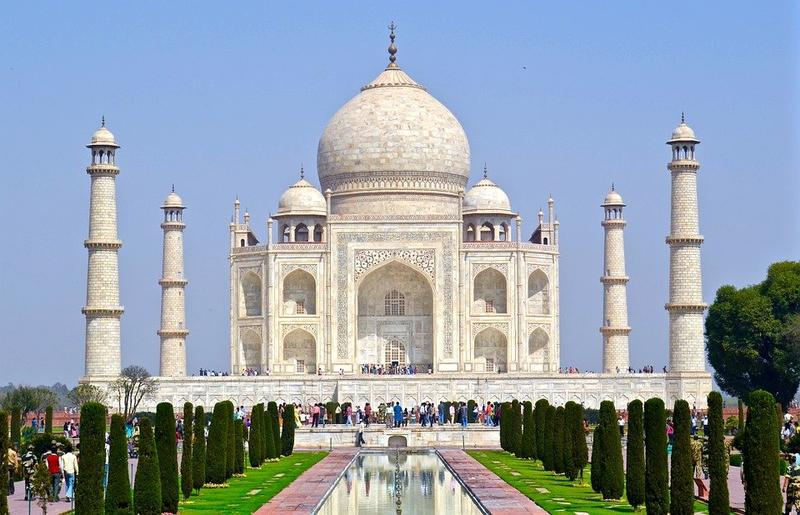
The breathtaking Taj Mahal is a feast for the eyes of the thousands upon thousands of tourists who come to see its spectacular architecture, and it is rightly classified as one of the Seven Wonders of the World.
Although it dates back to the 1500s, in which the Mughal emperor Shah Jahan dedicated the Taj to his favourite queen, Mumtaj Mahal, its age is showing far sooner than it should be.
The building is in rapid degradation thanks to the pollution of the air and the waters around it, slowly destroying the beloved monument, even after a quarter-century following the decision of the Supreme Court to rid the area of all its factories.
The efforts done by the government to maintain the quality of the Taj Mahal have failed, one after the other, and its colour has gained a yellow hue, even with some green patches. This is caused by dust and carbon particles that are emitted into the air by the burning of fossil fuels.
Despite all the money spent to take all the factories from a 10,450-square kilometre radius, the pollution level around has not come down, although a report has claimed that the air quality has generally improved.
This is not the only factor degrading the architecture of the Taj Mahal. Its biggest threat is the polluted nature of the Yamuna River, which carries down waste from cities upstream, such as Delhi. This toxic liquid seeps into the foundations of the monument and adds to its depreciating state.
On the backside of the building that faces the river, insects have also begun building their nests there, due to drying of the polluted Yamuna.
All of these issues seem to stem from parts of the Supreme Court’s ruling not having been implemented, such as many companies in the area not having moved since the decree.
Concerns are high for the increasing number of people travelling from around the world to visit a monument that is decreasing in quality.
(Free for commercial use)
You may also like


Image Reference: https://pixabay.com/photos/india-taj-mahal-agra-architecture-866692/
Recent Posts
- India’s wellness shift: Functional foods move into everyday diets
 India’s growing interest in these products stems from persistent nutritional challenges.
 - Tax officers can question personal expenses under section 142(1)According to experts, certain taxpayers are more likely to receive such notices.
- Varanasi introduces India’s first Hydrogen water taxiVaranasi's Namo Ghat now hosts India's first indigenous hydrogen-powered water taxi. The city becomes a pioneer in eco-friendly water transport, combining hydrogen and electric energy.


WeRIndia – A News Aggregator
Visit werindia.com for all types of National | Business | World | Politics | Entertainment | Health related news and much more..

Opinion Polls
 Loading ...
Leave a Reply