

Why the Tricolour flies high at the Red Fort
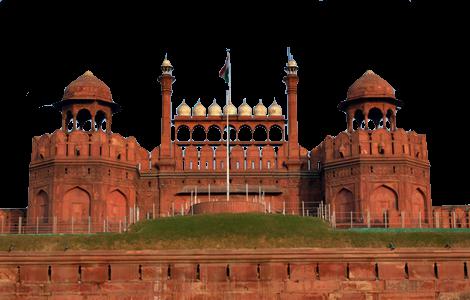
As 15th August approaches, the nation gears up to celebrate Independence Day with great enthusiasm and patriotic spirit.
For Indians, this day is not just a holiday; it’s a powerful emotion, built on the foundation of countless sacrifices.
Every year, the Prime Minister hoists the national flag at Delhi’s iconic Red Fort.
But have you ever wondered why this specific monument holds such an honour, while grand structures like the Taj Mahal or Fatehpur Sikri do not?
Built in the 17th century by Mughal emperor Shah Jahan, the Red Fort was the heart of Mughal power.
It served as the capital of the empire until 1857. When the British took over, they hoisted their own flag there, making it a symbol of control.
Because of its political and historical importance, the fort became deeply connected to India’s struggle for freedom.
On August 15, 1947, as India gained independence, Jawaharlal Nehru became the country’s first Prime Minister.
He chose the Red Fort to hoist the Indian Tricolour, replacing the British flag. This act was more than ceremonial; it was symbolic.
It marked the shift of power and was a tribute to those who fought for the nation. Since that day, every Prime Minister has followed this tradition.
Unlike other Mughal structures, the Red Fort’s strategic location, massive ramparts, and grand public halls like Diwan-e-Aam make it ideal for national events. It also witnessed the voices of freedom fighters echoing against its walls.
That’s why the Red Fort isn’t just another monument; it represents India’s pride, power, and independence.
Every time the flag unfurls from its ramparts, it reminds the world that India, once under foreign rule, now stands tall as a free nation.
The Red Fort remains not only a symbol of the past but also a stage for the country’s proudest moment every year.
Image Credit: Sm9818, CC0 1.0, via Wikimedia Commons
You may also like


Image Reference: https://commons.wikimedia.org/wiki/File:Red-fort.png

Recent Posts
- Indowud NFC: Waste to Wood
 Indowud has further demonstrated the material’s potential through real-world projects.
 - NCW Seeks Safer Rides for Women
 The NCW has also stressed the importance of safe drop-offs.
 - Major Shipbuilding Projects Launched in VizagDefence Minister Rajnath Singh inaugurated major indigenous shipbuilding and maritime infrastructure projects at Hindustan Shipyard Limited in Visakhapatnam. The launch marks a push to strengthen India’s domestic shipbuilding capabilities and expand its presence in global maritime markets.
WeRIndia – A News Aggregator

Visit werindia.com for all types of National | Business | World | Politics | Entertainment | Health related news and much more..