

A bigger house, a bigger debate
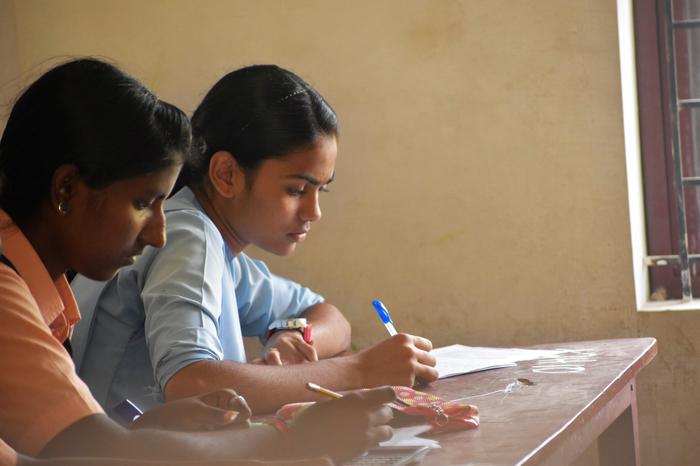
India’s parliamentary framework is set for a major shift as discussions on representation gain momentum.
The Centre is preparing a Constitution amendment to expand the Lok Sabha from 543 to 850 seats. Of these, 815 seats would go to states, while 35 would represent Union Territories.
This proposal is closely tied to implementing the Women’s Reservation Act from the 2029 general elections.
The law guarantees 33% reservation for women in the Lok Sabha and state assemblies. Although it was passed after decades of debate, its rollout depends on delimitation and census processes.
Therefore, the government aims to accelerate these steps through a special parliamentary sitting scheduled for April 16 to 18.
Prime Minister Narendra Modi has called for unanimous political backing. He stressed that women’s representation should not face further delays.
According to him, the law reflects the aspirations of the nation. Moreover, he urged all parties to act collectively for gender equity in governance.
He expressed confidence that by 2029, women will gain a stronger legislative presence.
However, the proposal has triggered sharp reactions from opposition parties. They argue that the delimitation process could alter the balance of power among states.
Southern states, in particular, fear losing representation due to lower population growth rates. As a result, leaders warn of political and regional imbalance.
Tamil Nadu Chief Minister MK Stalin has voiced strong objections. He accused the Centre of pushing the amendment without adequate consultation.
Furthermore, he cautioned against any move that could weaken the southern states’ influence. He even hinted at large-scale protests if state interests are compromised.
In addition, critics question the timing of the bill. They argue that delimitation should follow a fresh census, not precede it. This concern adds to the broader debate on fairness and transparency.
Meanwhile, the government maintains that the reform is necessary for inclusive growth.
It believes expanding seats will accommodate both population changes and gender representation. Yet, the issue remains politically sensitive.
As discussions unfold, the proposal highlights a larger issue: whether India can balance equitable representation while advancing long-pending reforms.
Image by rnc from Pxhere (Free for commercial use / CC0 Public Domain)
Image Published on March 07, 2019
You may also like

Image Reference: https://pxhere.com/en/photo/1583057
Recent Posts
- Fery Rides: Making Urban Travel Safer for Women
 Fery Rides also operates an all-electric fleet, bringing sustainability into its mobility model.
 - UPI MDR Rollout Deferred, Bringing Festive Relief
 Merchants can continue handling eligible payments without the immediate impact of the proposed MDR.
 - Smog-Eating Roads: A New Approach to Tackling Air Pollution
 Photocatalytic coatings are a potential supplementary measure, not a complete solution to urban air pollution.
WeRIndia – A News Aggregator
Visit werindia.com for all types of National | Business | World | Politics | Entertainment | Health related news and much more..