

Kanwar Yatra 2026: Significance & rituals explained
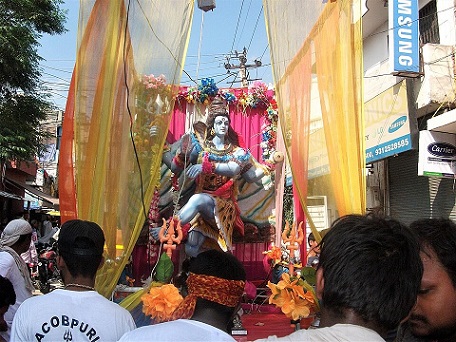
Every year, the holy month of Shravan draws millions of Lord Shiva devotees onto one of the world’s largest religious pilgrimages.
The Kanwar Yatra reflects unwavering faith, spiritual discipline, and collective devotion as Kanwariyas travel on foot to collect sacred Gangajal and offer it to Lord Shiva.
The Kanwar Yatra begins with devotees collecting holy water from the River Ganga in specially designed bamboo carriers called Kanwars.
They then carry the water, ensuring it never touches the ground, before performing Jalabhishek at Shiva temples. This sacred journey symbolises devotion, sacrifice, gratitude, and self-discipline.
For North India, Shravan begins on July 30, 2026. The Kanwar Yatra also starts on the same day. Sawan Shivratri falls on August 11, 2026, while Shravan concludes on August 28, 2026.
Most devotees complete the pilgrimage before Sawan Shivratri, which is considered highly auspicious for offering Gangajal.
The tradition is rooted in Hindu mythology. According to the Samudra Manthan, Lord Shiva consumed the deadly Halahala poison to save the universe. As a result, his throat turned blue, earning him the name Neelkanth.
Later, gods and devotees offered sacred water to ease the poison’s effects. Consequently, this act is believed to have evolved into the present-day Kanwar Yatra.
Kanwariyas usually wear saffron clothing and walk barefoot for long distances. Moreover, they observe fasting or consume only satvik food throughout the pilgrimage.
They continuously chant “Bol Bam” and “Har Har Mahadev” while maintaining strict spiritual discipline. Depending on their route, many devotees cover distances ranging from 20 to over 300 kilometres.
Haridwar remains the most popular destination for collecting Gangajal. However, devotees also visit Gangotri, Gaumukh, Rishikesh, Prayagraj, Varanasi, and Sultanganj.
Afterwards, they perform Jalabhishek at renowned Shiva temples, including Kashi Vishwanath, Neelkanth Mahadev, Baidyanath Dham, Pura Mahadeva, Augharnath Temple, and numerous local shrines.
The pilgrimage has two main forms. General Kanwar allows devotees to walk at their own pace over several days. In contrast, Dak Kanwar follows a relay-style format, requiring participants to move continuously until they offer the sacred water.
Throughout the journey, devotees follow important religious practices. They take a holy dip before collecting Gangajal, avoid placing the Kanwar on the ground, maintain personal purity, consume only vegetarian food, and refrain from alcohol, tobacco, and arguments.
These traditions strengthen the spiritual significance of the Kanwar Yatra, making it one of India’s most revered expressions of faith and devotion.
Image Credit: Gopal.panchal65, CC BY-SA 4.0, via Wikimedia Commons
You may also like
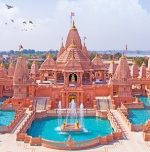
Image Reference: https://commons.wikimedia.org/wiki/File:Kanwar_Yatra.jpg

Recent Posts
- HealthFab: Sustainable Period Care
 HealthFab was founded by Kiriti Acharjee, Saurav Chakraborty and Satyajit Chakraborty, all from Assam.
 - Smart Ways to Manage Medical Expenses
 Unexpected medical expenses can disrupt even a carefully planned household budget. When a ₹5 lakh hospital bill leaves a ₹3 lakh shortfall after insurance settlement, families may feel pressured to…
 - YLEM: Turning Waste into Sustainable Design
 New Delhi-based design and research studio that transforms discarded materials into valuable, functional products.
WeRIndia – A News Aggregator

Visit werindia.com for all types of National | Business | World | Politics | Entertainment | Health related news and much more..