

India imposes 12% steel import duty to curb cheap inflows
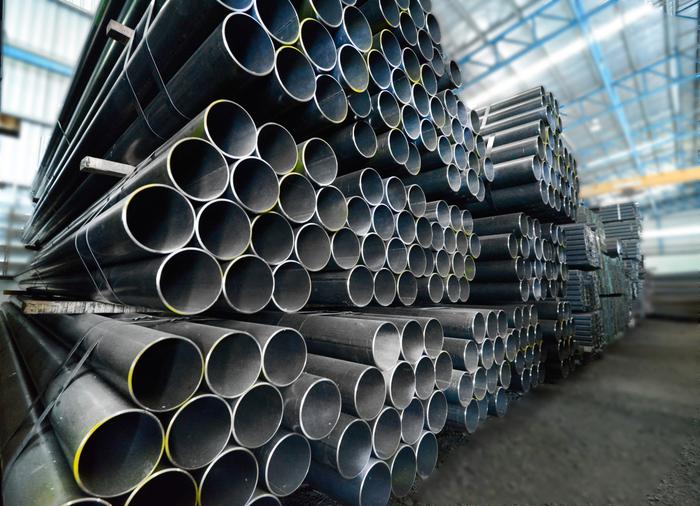
India has tightened trade rules to protect its steel industry amid rising global trade tensions.
The move targets a surge in cheap steel imports that has pressured domestic producers.
In recent months, the government has signalled concern over low-priced inflows affecting local capacity and jobs.
The government has imposed a new safeguard duty on select steel imports for three years. This measure aims to block cheap shipments, mainly from China.
The finance ministry announced the decision through an official gazette notification on Tuesday.
The safeguard duty will be 12% in the first year. It will decline to 11.5% in the second year. In the third year, the duty will reduce further to 11%. Therefore, the levy gradually eases over time.
However, the duty does not apply to all imports. Steel from some developing countries remains exempt.
Meanwhile, imports from China, Vietnam, and Nepal fall under the new rule. This selective coverage focuses on key sources of low-priced steel.
The government has also carved out exclusions. Special steel products, including stainless steel, will not attract the duty. As a result, users of high-end and specialised grades will face limited impact.
Earlier, in April, India had imposed a temporary 12% import duty for 200 days. That step served as an immediate response to rising imports.
Now, the three-year safeguard provides a more stable and predictable framework.
The Union Steel Ministry has repeatedly highlighted risks from cheap and low-quality imports. It has warned that domestic producers face falling prices and margins in monetary terms.
Consequently, capacity utilisation and investment plans have come under strain.
The Directorate General of Trade Remedies examined recent import trends. It found a sharp rise in steel imports within a short period.
Moreover, it warned that such growth was harming and could further harm local manufacturers.
India’s decision also reflects wider global shifts. Trade tensions have intensified due to Chinese steel exports. At the same time, the United States has taken strong tariff actions.
US President Donald Trump recently raised steel and aluminium tariffs from 25% to 50%. He cited national security concerns under Section 232 of the US trade law.
Earlier, similar tariffs were imposed in 2018, while aluminium duties rose to 25% in February 2025.
Other countries have responded as well. South Korea and Vietnam imposed anti-dumping duties this year. Therefore, India’s move aligns with a broader global push to protect domestic steel industries.
Image from Pxhere (Free for commercial use / CC0 Public Domain)
Image Published on January 19, 2017
You may also like




Image Reference: https://pxhere.com/en/photo/484014
Recent Posts
- CSIR-NCL Recruitment 2026: 24 MTS Vacancies
 CSIR-NCL will conduct a competitive written examination for provisionally eligible candidates.
 - Voter Roll Revision Begins Ahead of 2027 Polls
 Citizens can submit claims and objections until December 11.
 - Assam Artist Creates Durga Idol Using 50,000 Safety PinsBlending devotion with extraordinary creativity, an artist from Assam has transformed thousands of ordinary safety pins into a stunning idol of Goddess Durga. Sanjib Basak, a government employee from Dhubri, spent over three months crafting the unique creation, which will be displayed at Rashmi Sangha Puja Mandap in Panchmor.
WeRIndia – A News Aggregator
Visit werindia.com for all types of National | Business | World | Politics | Entertainment | Health related news and much more..