

ISRO’s High-Stakes GSLV Comeback
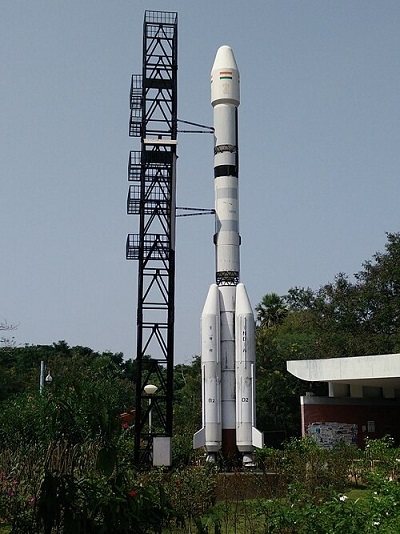
India’s space programme is entering another important phase with a major Earth-observation mission.
ISRO is set to launch the GSLV-F17 at 2:55 am on September 4.
The mission comes after almost eight months without a launch and two consecutive PSLV failures.
Therefore, the flight carries significance beyond its scientific objectives.
At its core is EOS-05, an advanced Earth-observation satellite weighing around 2,367 kilograms. Once positioned nearly 36,000 kilometres above Earth, it will offer a broad and continuous view of India.
The satellite will monitor the coastline, weather systems and disaster-prone areas. Moreover, its high-resolution imaging capability can support border surveillance.
The mission will lift off from the Second Launch Pad at the Satish Dhawan Space Centre in Sriharikota.
GSLV-F17 will place EOS-05 into a Sub-Geosynchronous Transfer Orbit. The satellite will then move toward its intended geosynchronous operating position.
EOS-05 marks a significant step for India’s imaging capabilities. It is designed to become the country’s first imaging satellite operating from geosynchronous orbit. Consequently, its high-altitude vantage point can strengthen long-duration Earth monitoring.
Meanwhile, the launch vehicle brings substantial power to the mission. The GSLV-F17 stands 51.7 metres tall and weighs about 420.5 tonnes at liftoff. It uses a three-stage configuration with a four-metre-wide payload fairing.
The first stage combines the S-139 solid motor with four liquid strap-on boosters. The solid motor carries about 138 tonnes of propellant. The boosters together carry roughly 170 tonnes of UH25 and nitrogen tetroxide.
Next, the liquid second stage uses about 42 tonnes of UH25 and nitrogen tetroxide. It continues the vehicle’s acceleration after first-stage separation.
Finally, the indigenous CUS-5 cryogenic upper stage takes over. It burns liquid hydrogen and liquid oxygen, with around 15 tonnes of cryogenic propellant. This stage performs the key orbital insertion manoeuvre.
After completing its flight, the upper stage will deploy EOS-05. Thus, the mission combines a powerful launcher with an important new surveillance and Earth-monitoring asset.
Image Credit: రహ్మానుద్దీన్, CC BY-SA 4.0, via Wikimedia Commons



Image Reference: https://commons.wikimedia.org/wiki/File:ISRO%27s_GSLV_at_SHAR_entrance.jpg

Recent Posts
- Fery Rides: Making Urban Travel Safer for Women
 Fery Rides also operates an all-electric fleet, bringing sustainability into its mobility model.
 - UPI MDR Rollout Deferred, Bringing Festive Relief
 Merchants can continue handling eligible payments without the immediate impact of the proposed MDR.
 - Smog-Eating Roads: A New Approach to Tackling Air Pollution
 Photocatalytic coatings are a potential supplementary measure, not a complete solution to urban air pollution.
WeRIndia – A News Aggregator

Visit werindia.com for all types of National | Business | World | Politics | Entertainment | Health related news and much more..